A smooth move starts long before moving day. The right packing supplies protect your belongings, speed up loading, and cut down on stress. The wrong choices lead to crushed boxes, scratched floors, and last-minute supply runs.
This guide brings together what our Edmonton crews use every day, with smart quantities by home size, room-by-room tips, and pro fixes for common mistakes. Keep it simple, safe, and organized.
If you would rather skip the supply run entirely, 247 Movers Inc. can deliver materials or handle partial and full packing. One call, zero guesswork.
Core packing supplies that work for almost every move
Start here. These are the proven essentials our teams rely on:
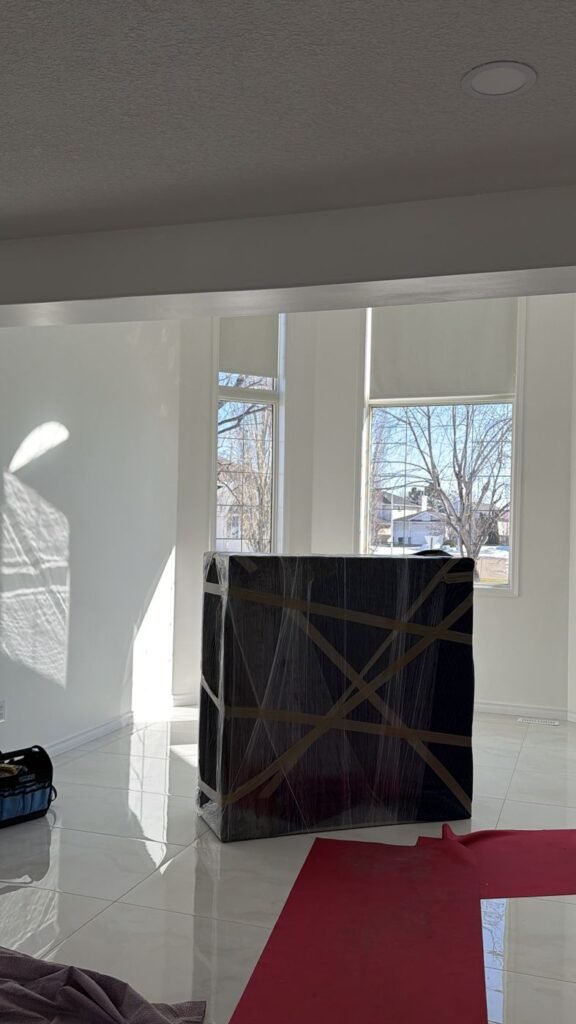
- Moving boxes: small (book boxes), medium, large, and a few extra-large for light bulky items
- Specialty boxes: dish-pack, wardrobe, TV, picture/mirror cartons
- Cushioning: bubble wrap, packing paper, foam pouches for glassware, moving blankets
- Tape: heavy-duty packing tape with a dispenser, painter’s tape for temporary holds
- Labels and markers: thick black marker, colour labels or tape by room
- Protection: mattress bags, sofa and chair covers, shrink wrap, floor runners or rosin paper, corner protectors
- Tools: utility knife, zip-top bags for hardware, elastic bands, zip ties
Pro tip: Choose new, double-walled moving boxes for breakables. Reused grocery boxes often fail, especially in cold or damp weather.
How many boxes and how much wrap to buy
Quantities vary with how much you own, but these ranges cover most Edmonton homes.
Studio or bachelor
- 8 to 12 small, 12 to 18 medium, 4 to 6 large
- 1 dish-pack box
- 1 wardrobe box
- 50 to 75 sheets packing paper, 25 feet bubble wrap
- 2 rolls of tape, 1 mattress bag
1 to 2 bedroom
- 15 to 25 small, 20 to 30 medium, 8 to 12 large, 2 to 4 extra-large
- 2 to 3 dish-pack boxes
- 3 to 5 wardrobe boxes
- 150 to 250 sheets packing paper, 50 to 100 feet bubble wrap
- 4 rolls of tape, 2 mattress bags, 1 to 2 sofa/chair covers
3 to 4 bedroom
- 25 to 40 small, 30 to 50 medium, 12 to 20 large, 4 to 6 extra-large
- 3 to 5 dish-pack boxes
- 5 to 8 wardrobe boxes
- 300 to 500 sheets packing paper, 100 to 200 feet bubble wrap
- 6 to 8 rolls of tape, 3 to 4 mattress bags, multiple furniture covers
Add 10 percent extra boxes and tape to avoid last-minute shortages. You will use the extras.
Are specialty boxes worth it?
Yes, when they prevent damage and speed the move.
- Wardrobe boxes keep clothes on hangers and out of bags. Faster to load, wrinkle-free on arrival. One box typically holds 2 feet of closet rod.
- TV boxes shield flat screens against flex and pressure. Many failures happen when TVs are wrapped only in blankets. A fitted TV carton or manufacturer box is far safer for winter moves and bumpy condo elevators.
- Dish-pack boxes are double-walled and sized for plates, bowls, and stemware. Heavier duty, tighter fit, fewer breakages.
- Picture or mirror boxes protect framed art and glass, especially when corners are reinforced.
If you invest in only two specialty types, choose dish-pack and TV cartons.
Room-by-room packing playbook
Kitchen
- Use dish-pack boxes. Line the bottom with crumpled paper. Pack plates vertically like records. Fill voids tightly.
- Wrap glassware in paper first, then a light layer of bubble for stems. Heavy items at the bottom, light at the top.
- Bundle knives in cardboard sleeves and tape securely. Label clearly.
Living room
- TV in a TV box. Remote, cords, and base in a labelled zip-top bag.
- Wrap artwork in paper, then bubble, and load into picture boxes. Use corner protectors for canvases.
- Cushion lampshades with paper, box them alone, and mark “Top load.”
Bedrooms
- Wardrobe boxes for hanging items. Folded clothing goes in medium boxes, not large.
- Mattress bags protect against dust, moisture, and curb slush.
- Keep an essentials box: sheets, pajamas, chargers, medications.
Bathroom
- Pack liquids in sealed bags and upright. Towels and mats cushion fragile items.
Garage and storage
- Use small boxes for tools and books. Large boxes crack under weight.
- Drain fuel from equipment. Bag and label small hardware and fasteners.
Proven labelling and the 5-4-3-2-1 packing rule
A simple system speeds unloading and setup.
- Colour-code by room. Write the room and a short content tag on two sides and the top.
- Number each box per room and create a quick list on your phone.
The 5-4-3-2-1 rule
- 5 days out: pack non-essentials and decor.
- 4 days: books, linens, off-season clothing.
- 3 days: kitchen backstock and rarely used appliances.
- 2 days: main kitchen, bathroom extras, toys.
- 1 day: bedding, daily-use items, and your first-night box.
Common packing mistakes to avoid
- Overloading large boxes. Cap at 20 to 22 kg. Heavy items belong in small boxes.
- Skipping TV protection. Blankets alone do not stop panel flex.
- Using brittle plastic bins in winter. Many crack in sub-zero temps. Choose sturdy moving boxes.
- Loose tape and weak seals. Use two strips on the bottom seam and an H-tape on top.
- Unprotected mattresses and upholstery. Moisture, salt, and dust travel fast in winter.
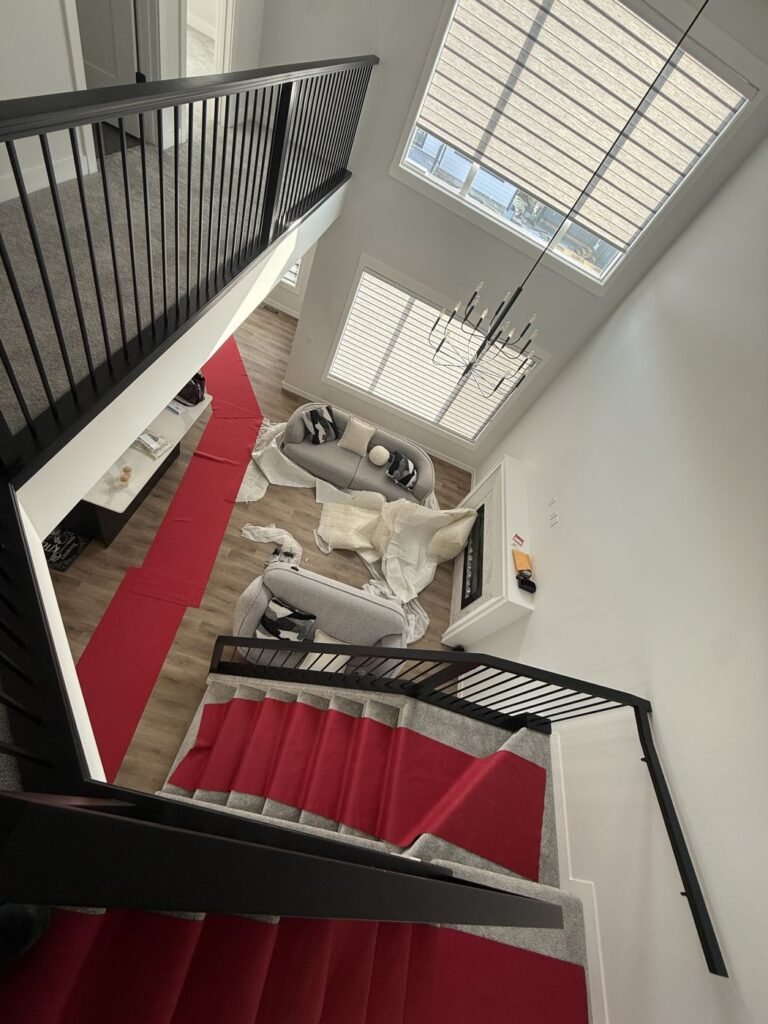
- No floor protection. Use runners or rosin paper in hallways and entries to prevent scuffs.
- Mixing rooms in one box. Slows unloading and increases lost items.
Shrink wrap, blankets, and when to use each
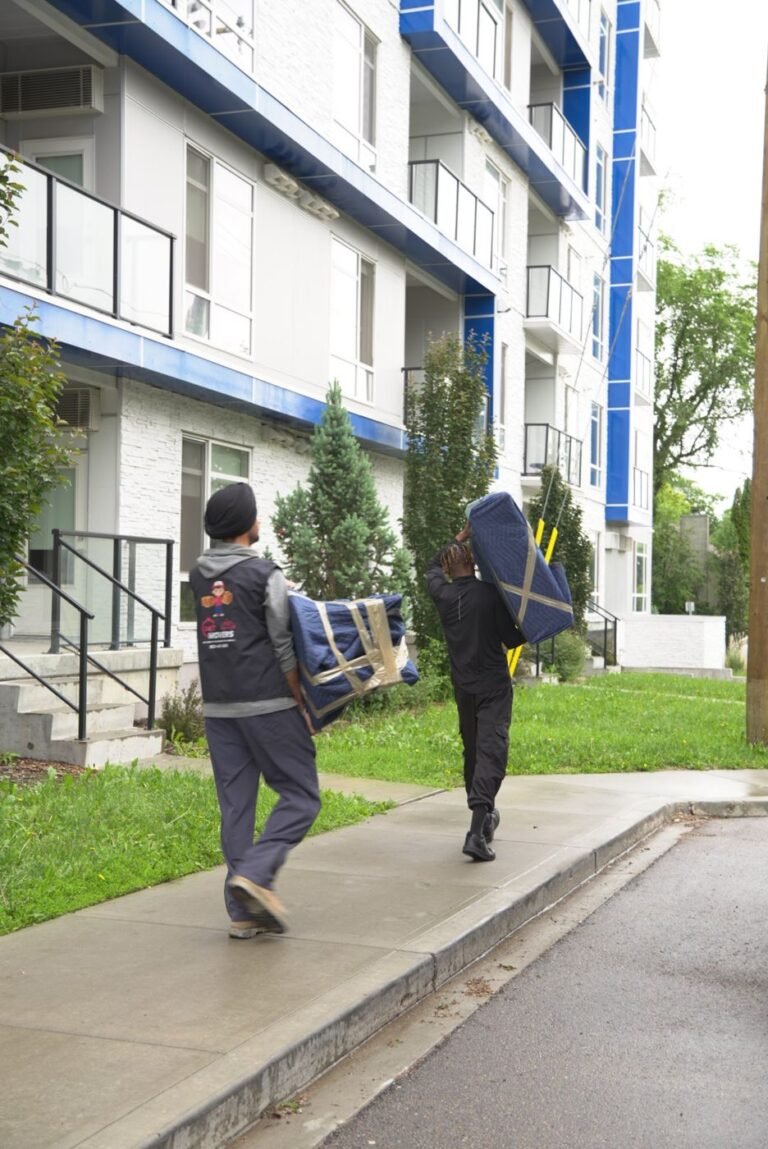
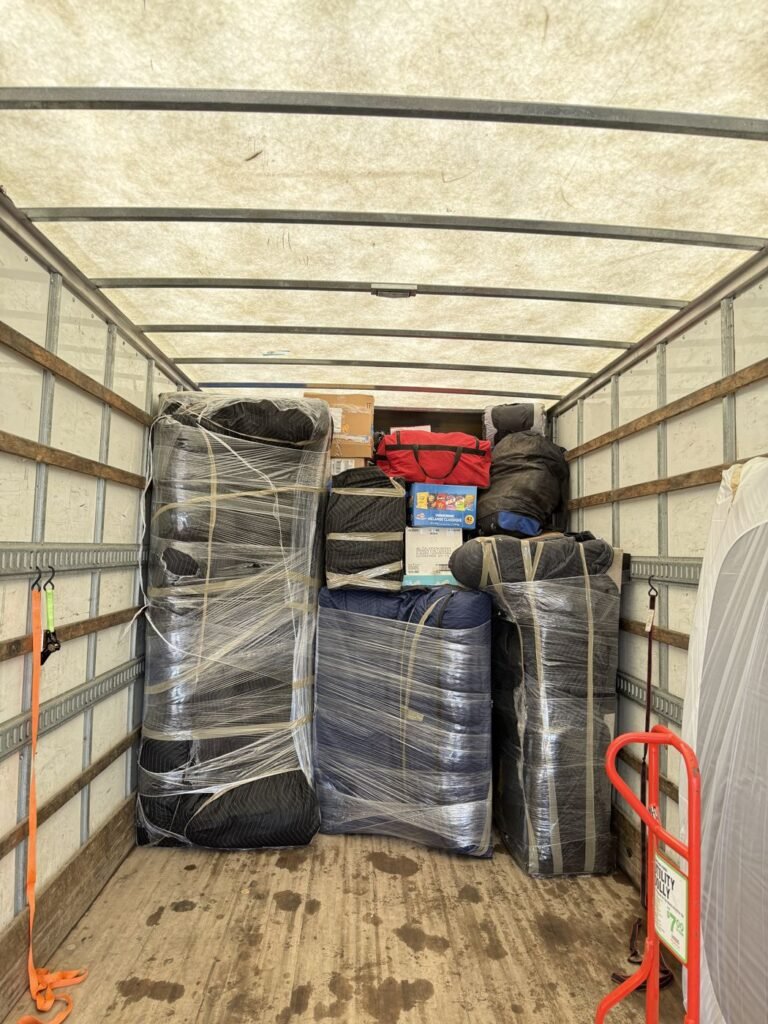
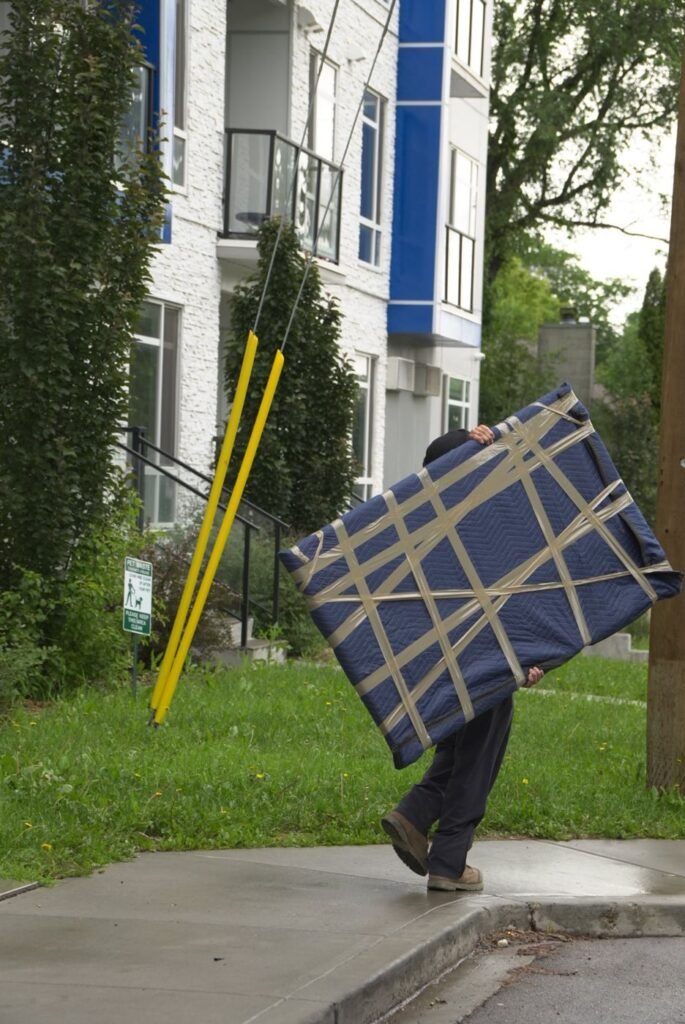
- Moving blankets cushion impact and protect finishes. Use on wood furniture, appliances, and glass-topped pieces.
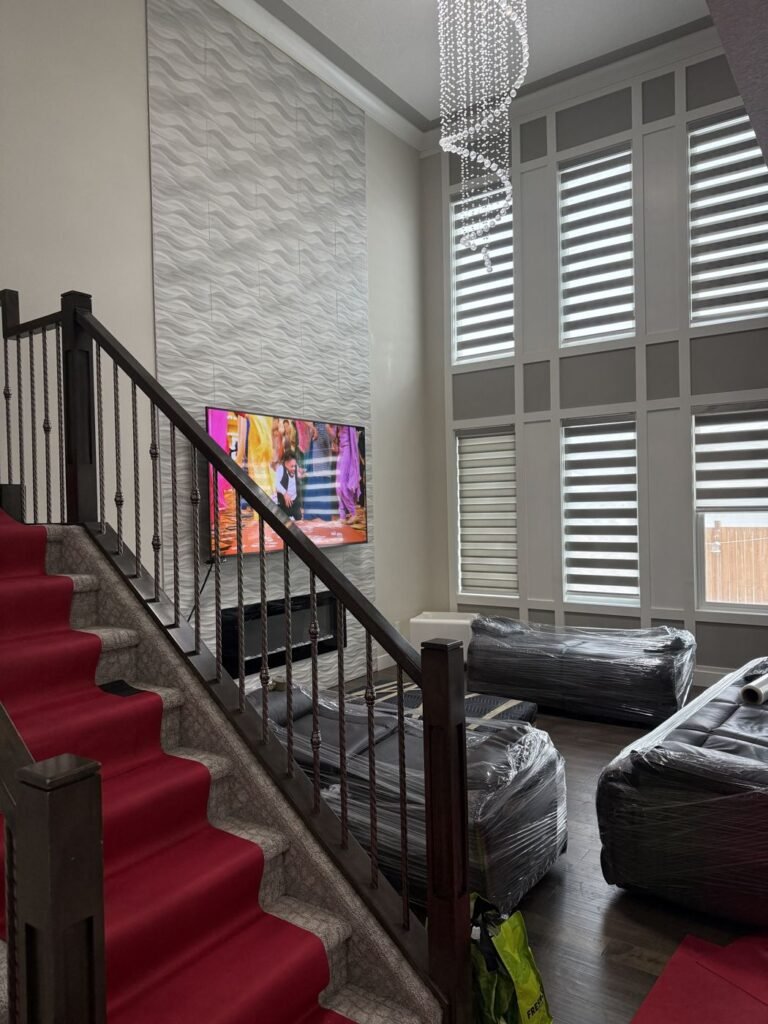
- Shrink wrap holds pads in place, keeps drawers closed, and guards against moisture and grime during winter moves. Do not apply shrink wrap directly to finished wood without a furniture pad under it.
Is it worth paying for professional packers?
Often, yes. Kitchens, fragile collections, and tight timelines benefit most. Professionals bring high-quality materials, efficient techniques, and liability-aware packing methods. Many customers choose partial packing for the kitchen and fragile rooms, then handle clothing and books themselves. If you want help, explore our packing and unpacking service to save time and reduce risk.
Edmonton-specific tips
- Winter moves: plan for extra floor protection, sealed mattress bags, and rigid cartons for electronics. Condensation and cold are hard on plastics and screens.
- Condos and apartments: book elevator windows and loading zones early, and confirm padding requirements with your building.
Quick-buy checklist
- Boxes: small, medium, large, extra-large; dish-pack; wardrobe; TV; picture/mirror
- Cushioning: packing paper, bubble wrap, foam pouches, moving blankets
- Protection: mattress bags, furniture covers, shrink wrap, floor runners
- Tools and labels: tape with dispenser, markers, colour labels, utility knife, zip-top bags
FAQ
What packing supplies do I need for a move?
Essentials include sturdy boxes in multiple sizes, dish-pack and TV boxes, packing paper, bubble wrap, heavy-duty tape, markers and labels, mattress bags, furniture covers, shrink wrap, and floor protection.
How many boxes and how much wrap should I buy for my home size?
Studios need roughly 20 to 35 boxes; 1 to 2 bedrooms 45 to 70; 3 to 4 bedrooms 70 to 110. Plan 50 to 500 sheets of packing paper and 25 to 200 feet of bubble wrap based on home size.
Are specialty boxes worth it?
Yes. Dish-pack, TV, wardrobe, and picture boxes cut breakage and speed loading. If you only pick two, choose dish-pack and TV boxes.
What are the biggest packing mistakes to avoid?
Too-heavy large boxes, unprotected TVs, brittle winter bins, weak tape jobs, unbagged mattresses, no floor protection, and mixing rooms in one box.
Is it worth paying for professional packers?
Typically for kitchens, fragile items, and tight timelines. Partial packing is a cost-smart middle ground.
Need supplies or a hand with packing?
247 Movers Inc. can deliver materials, set up a room-by-room plan, and handle partial or full packing so you stay organized and protected. Explore our packing and moving service to see how we can help on your timeline. If you are planning a home move soon, our residential moving services overview is a good next read.
Safety focused. Transparent pricing. Reliable crews. Edmonton moves made easier. Request your free moving quote.